
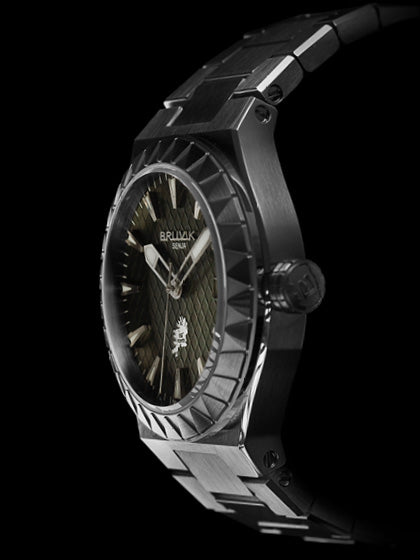






Time as Craftsmanship
A mechanical movement is more than a way to measure time – it is living craftsmanship. Where a quartz watch is powered by battery and electronics, a mechanical watch relies on gears, springs, and precision. No battery, only pure engineering.

How Does a Mechanical Movement Work?
At the center lies the mainspring, storing energy when wound. Either manually by hand, or automatically by a rotor moving with your wrist. This energy is transferred through an intricate gear system, eventually driving the hands.
To control the pace, a balance spring and escapement are used – the beating heart of the watch. This “tick-tock” is what you hear when placing your ear close to a mechanical timepiece.

Different Types of Mechanical Movements
There are several types of movements, and within BRUVIK you will find variations:
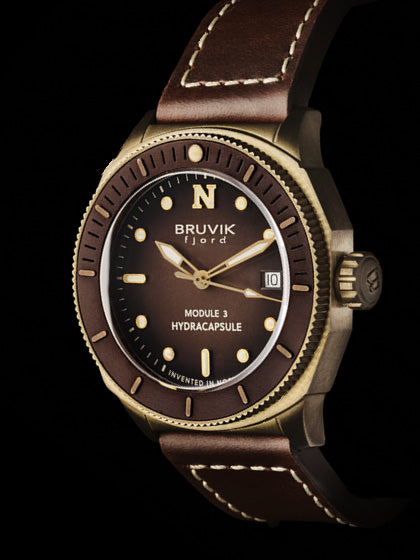
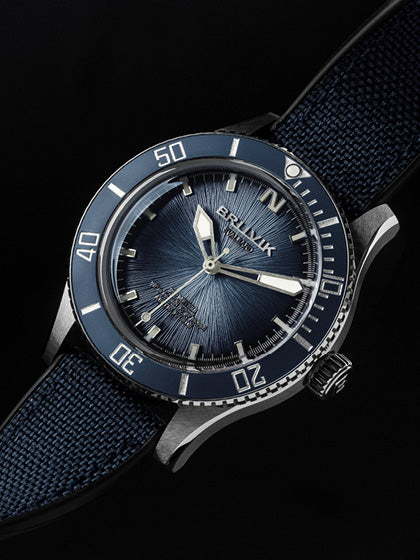
- Three-hand: Hours, minutes, seconds – the most classic form.
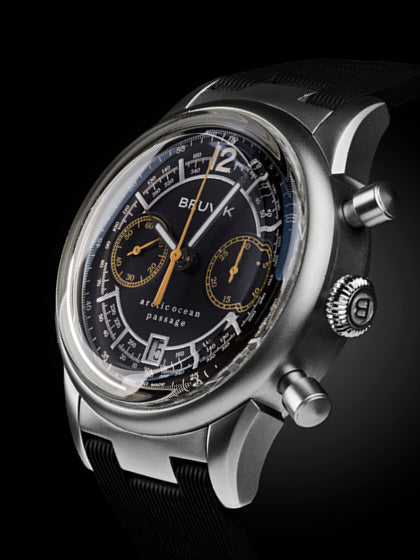
- Chronograph: An advanced movement with stopwatch functionality.
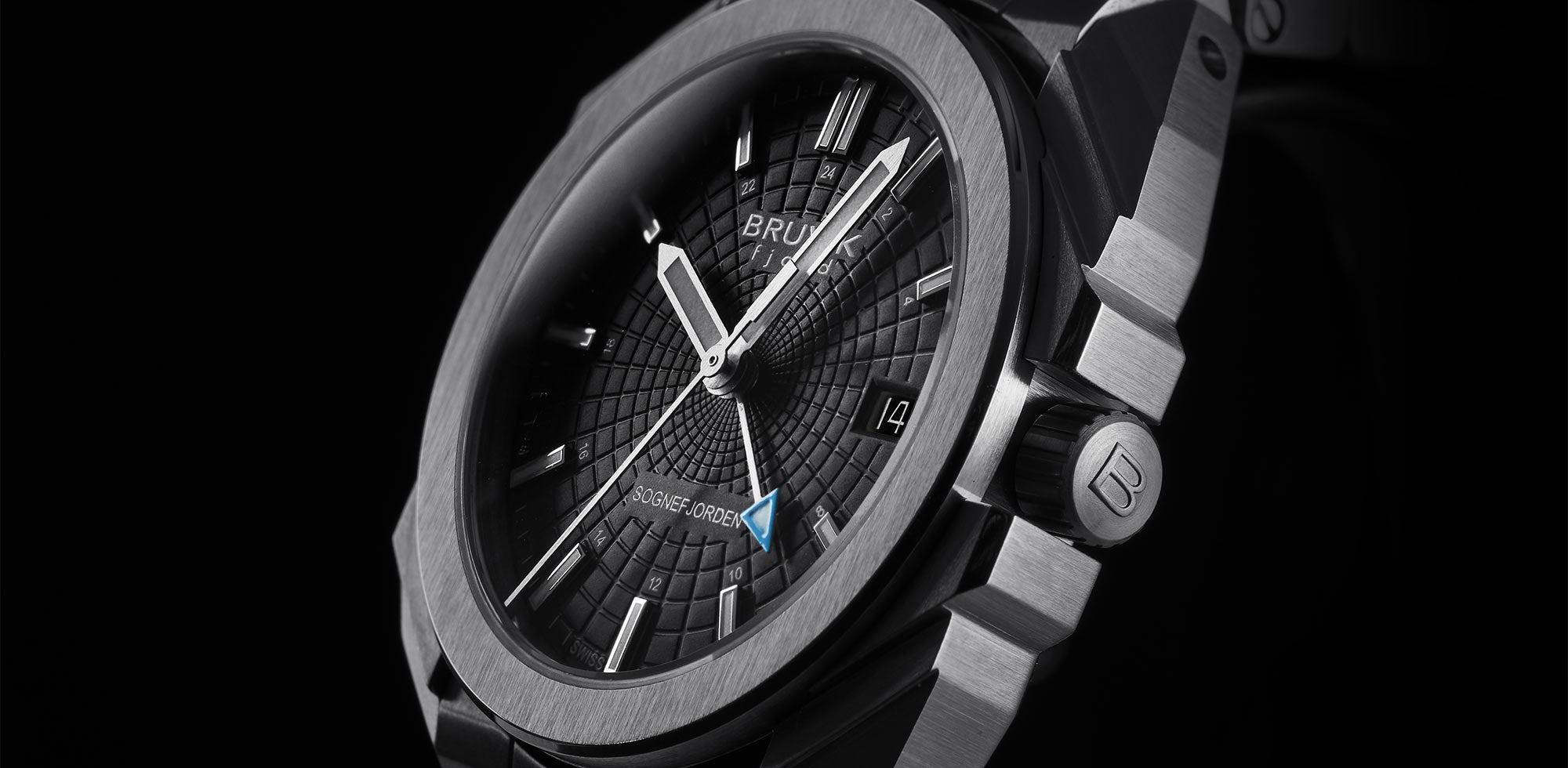
- GMT: Displays two time zones at once – perfect for travelers.

The classic three-hand – simple, precise, timeless.
A modern three-hand with Norwegian inspiration.


Mechanical Art – Inside the Movement
A mechanical movement often consists of more than 100 parts. Every spring, wheel, and screw plays a role in keeping time accurately.

Movement in exploded view – every gear has its purpose.
The details of a Swiss movement – a piece of engineering art.
 Quartz vs. Mechanical
Quartz watches revolutionized the industry in the 1970s – affordable, precise, and battery-driven. Quartz is accurate and reliable, but it lacks the same emotional connection and value for those passionate about horology. A mechanical watch, on the other hand, can last for generations if serviced regularly (approximately every 5 years).
Why BRUVIK Chooses Swiss Movements
All BRUVIK watches are powered by Swiss movements. There are three reasons for this:
- Quality – Switzerland has set the standard for watchmaking for centuries.
- Tradition – mechanical movements are living cultural heritage.
- History – my own journey began in Switzerland, where my passion was born.
Conclusion
A mechanical movement is a small miracle of engineering – a symphony of precision and tradition. For us at BRUVIK, it is more than technology – it is a legacy carried forward, merging Norwegian nature with Swiss craftsmanship.