
Toward the end of the 19th century, almost every corner of Earth had been mapped by daring explorers. Though their golden age was drawing to a close, these restless pioneers still had a few final frontiers — and few destinations were more dangerous or prestigious than the North Pole.
Unlike the South Pole, which sits on a vast continent, the North Pole lies in the heart of the Arctic Ocean. What appears to be land is in fact drifting ice, floating over waters more than 4,000 meters deep.
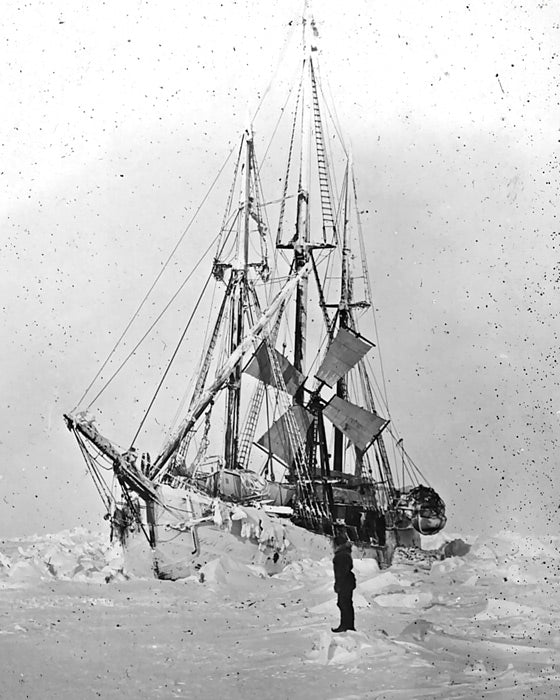
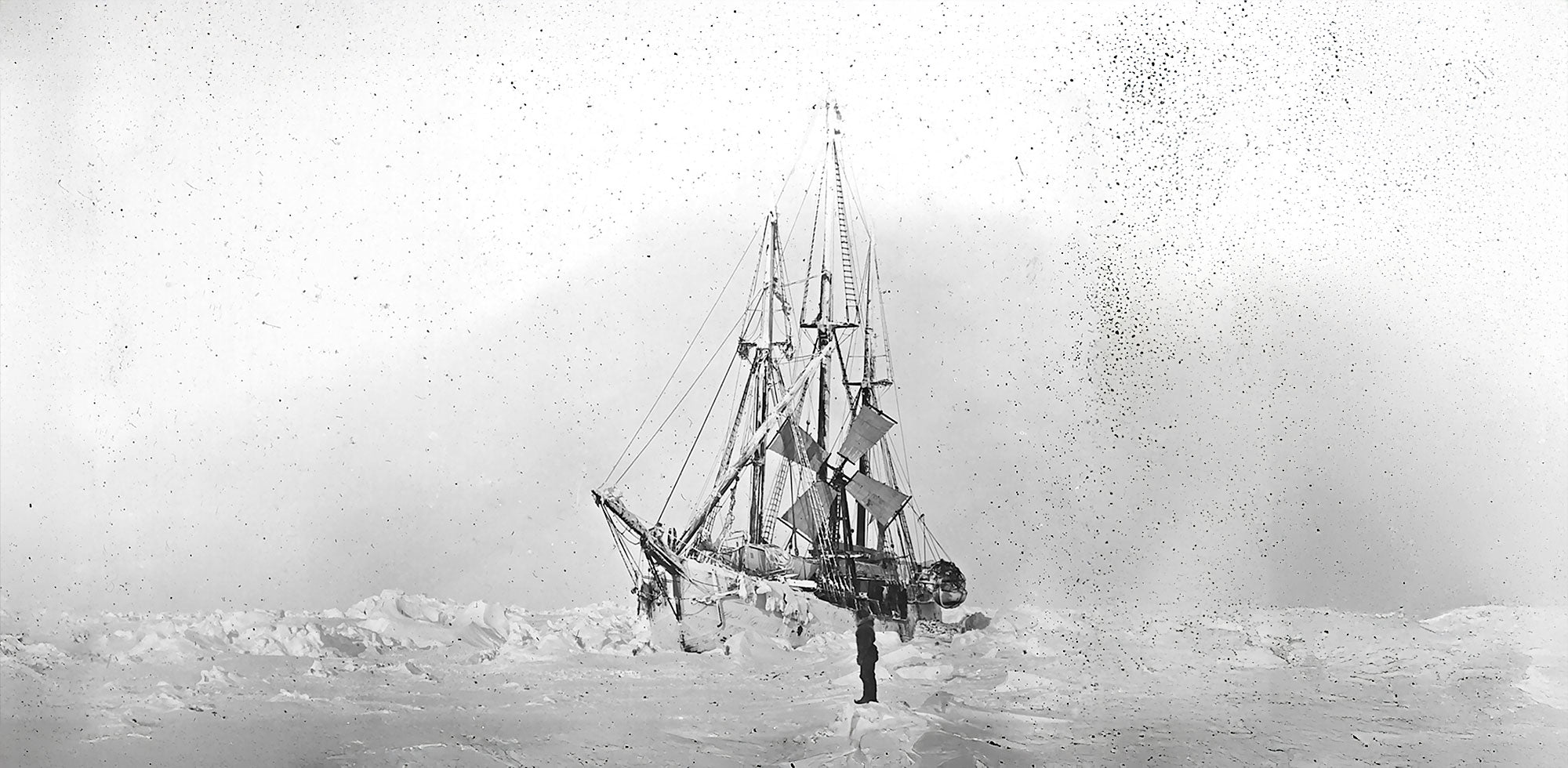
Early polar explorers would sail as far north as summer allowed, then purposely freeze their ships into the ice during winter, continuing their journeys on foot. Fram — used by both Roald Amundsen and Fridtjof Nansen — became legendary for venturing farther north (85°57’N) and farther south (78°41’S) than any wooden ship in history.
"Fram was ahead of its time — and in many ways, a symbol of time itself".
Frozen near the North Pole, explorers had no choice but to drift with the current. While lesser vessels splintered under ice pressure, Fram was ingeniously designed to rise with it. Naval architect Colin Archer knew better than to fight the Arctic. He designed Fram to yield, to survive — and to carry her crew ever forward.
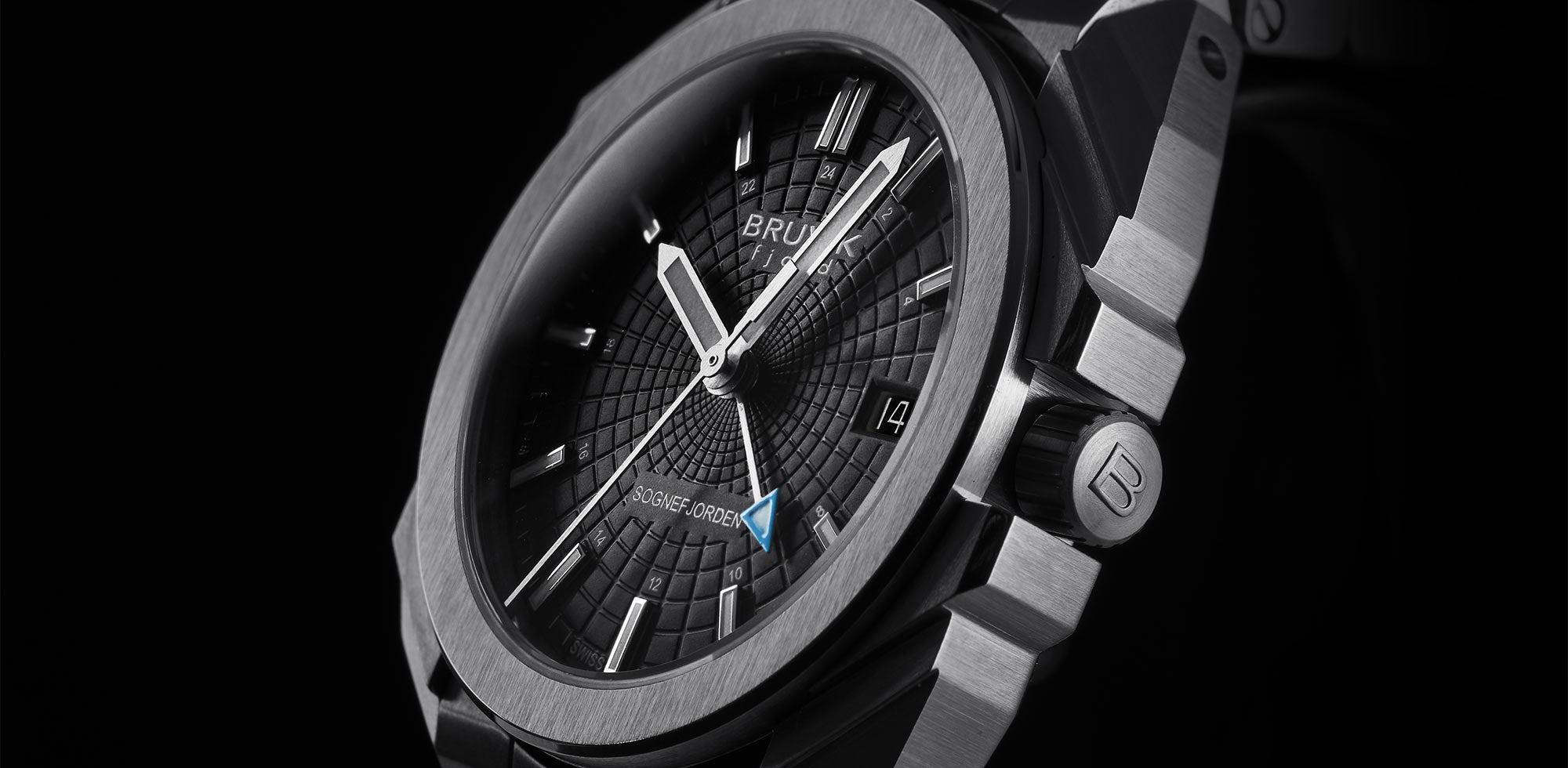
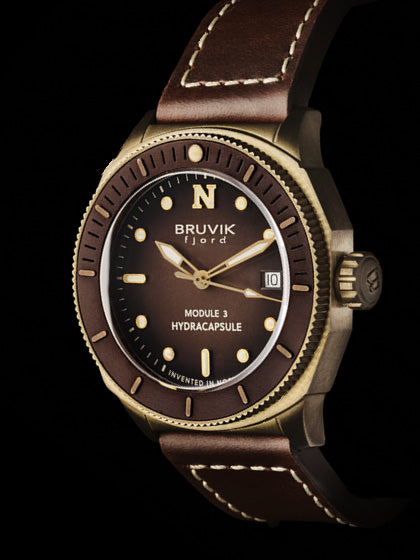
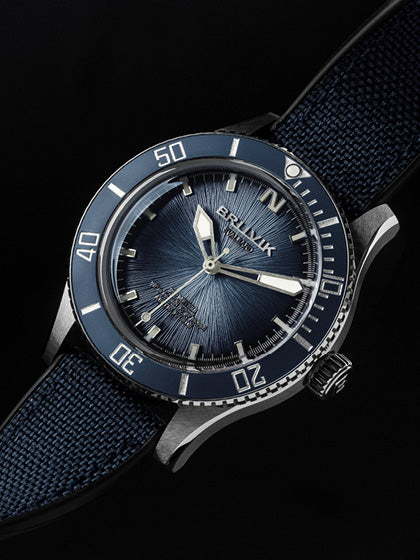
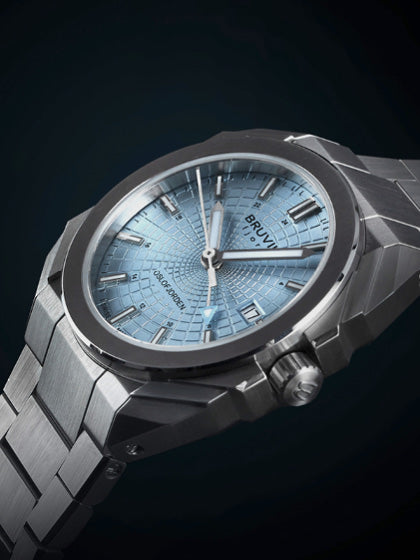
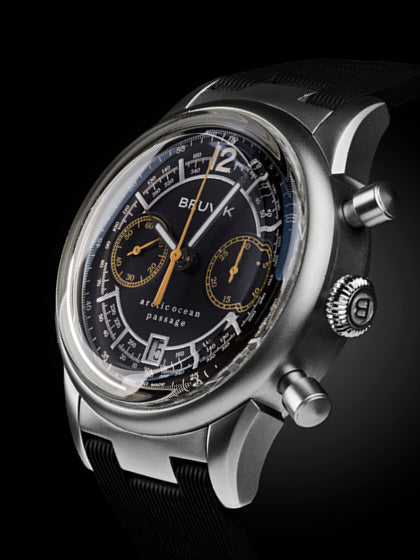
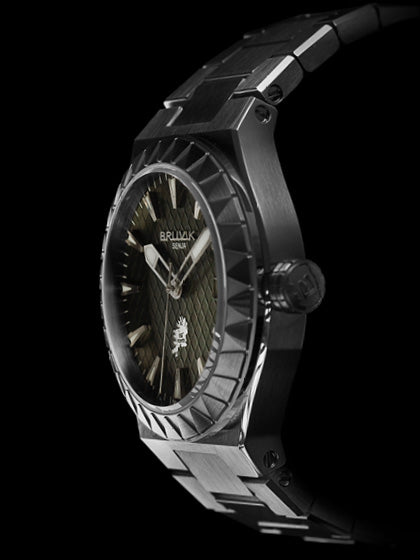
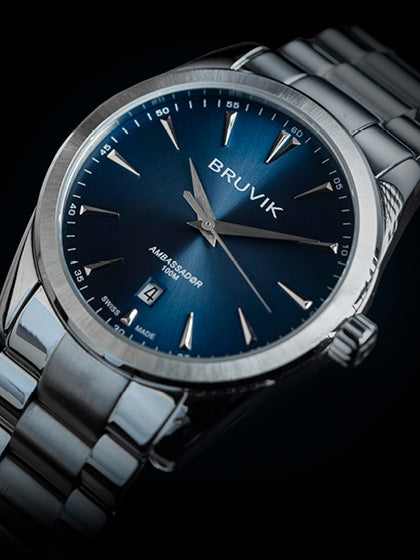
The Bruvik Arctic Ocean watches celebrate this spirit — honoring the clarity, courage, and respect these explorers showed for the forces of ice and time.
In the Spirit of Nansen
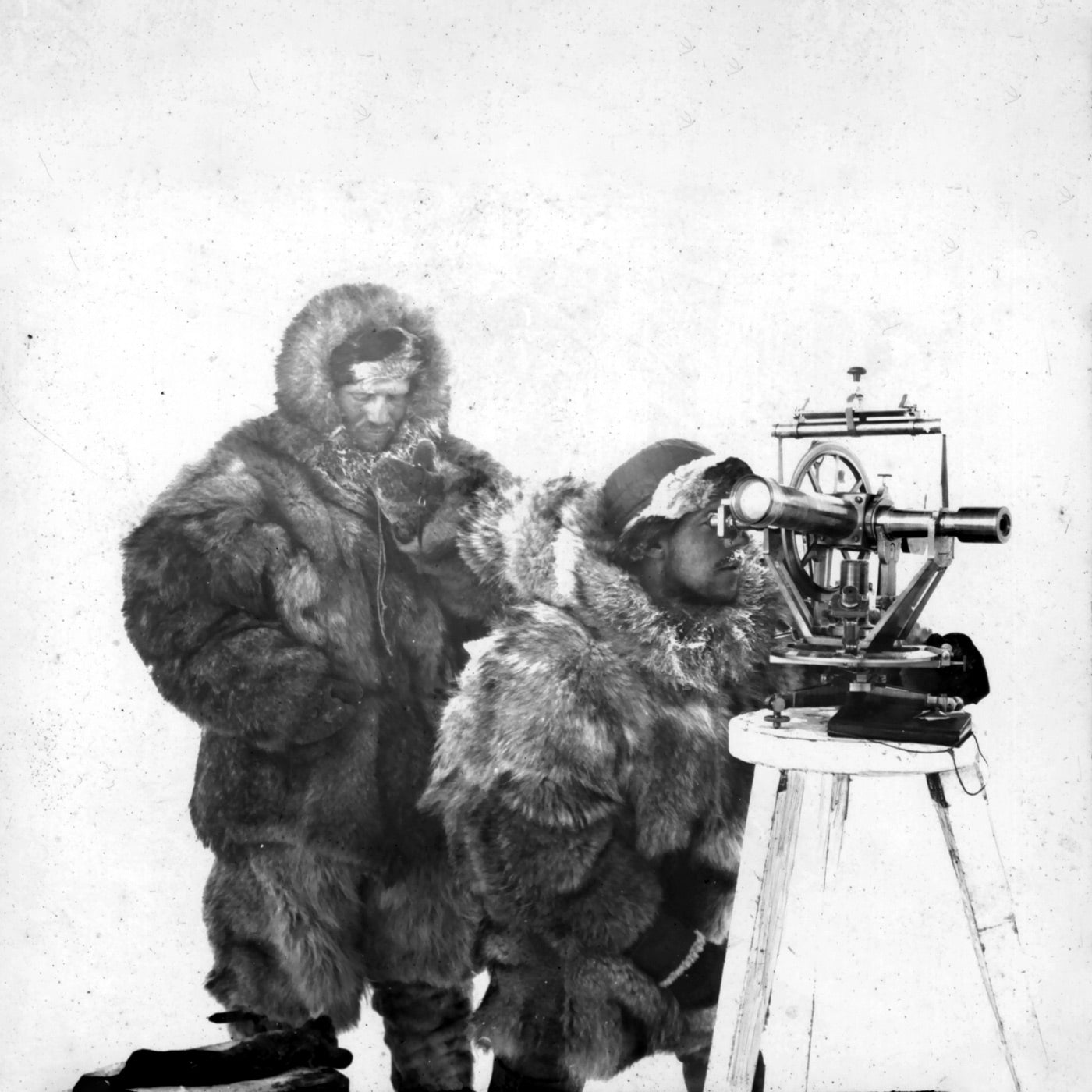
The Arctic Ocean collection is inspired by Norway’s greatest explorers — particularly Fridtjof Nansen, a man who redefined endurance.
Arctic explorers have always had to endure some of the most hostile environments on Earth. It comes, quite literally, with the territory. Facing such enormous challenges demands preparation. It’s no coincidence that a small country like Norway has produced so many great explorers. There must be something in the nature — not just the physical landscape, but the national spirit — that prepares Norwegians for such tests of endurance, skill, and willpower.
Maybe it lies in nature itself. Parts of Norway are nearly as unforgiving as the poles — and human beings are masters at adapting to their environment.
"The Arctic Ocean watches celebrate the Arctic pioneers."
Before heading north, Nansen trained at Haukeli, in the Hardangervidda mountain range. At more than 1,000 meters above sea level, a wintery Haukeli does a good job of resembling Arctic summer conditions. And perhaps it could do the same for a watch designer, more than a hundred years later.

Bruvik would never compare his experience to that of the early explorers — but the inspiration was real.
Before embarking on his 1896 Arctic expedition, Nansen trained in Haukeli, a remote stretch of the Hardangervidda mountain range. At over 1,000 meters above sea level, the frozen wilderness closely resembles Arctic summer. It gave him a taste of what lay ahead.
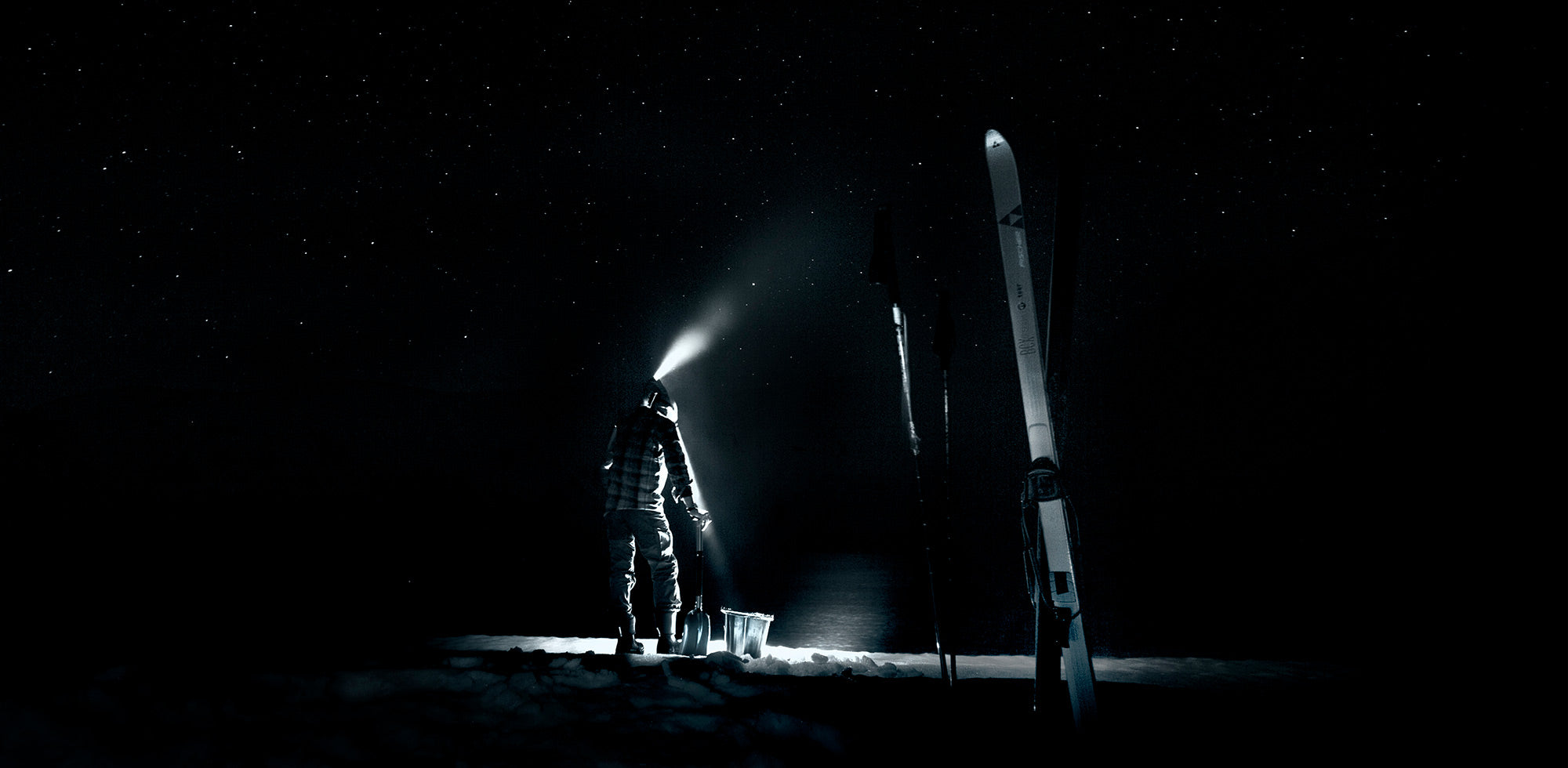
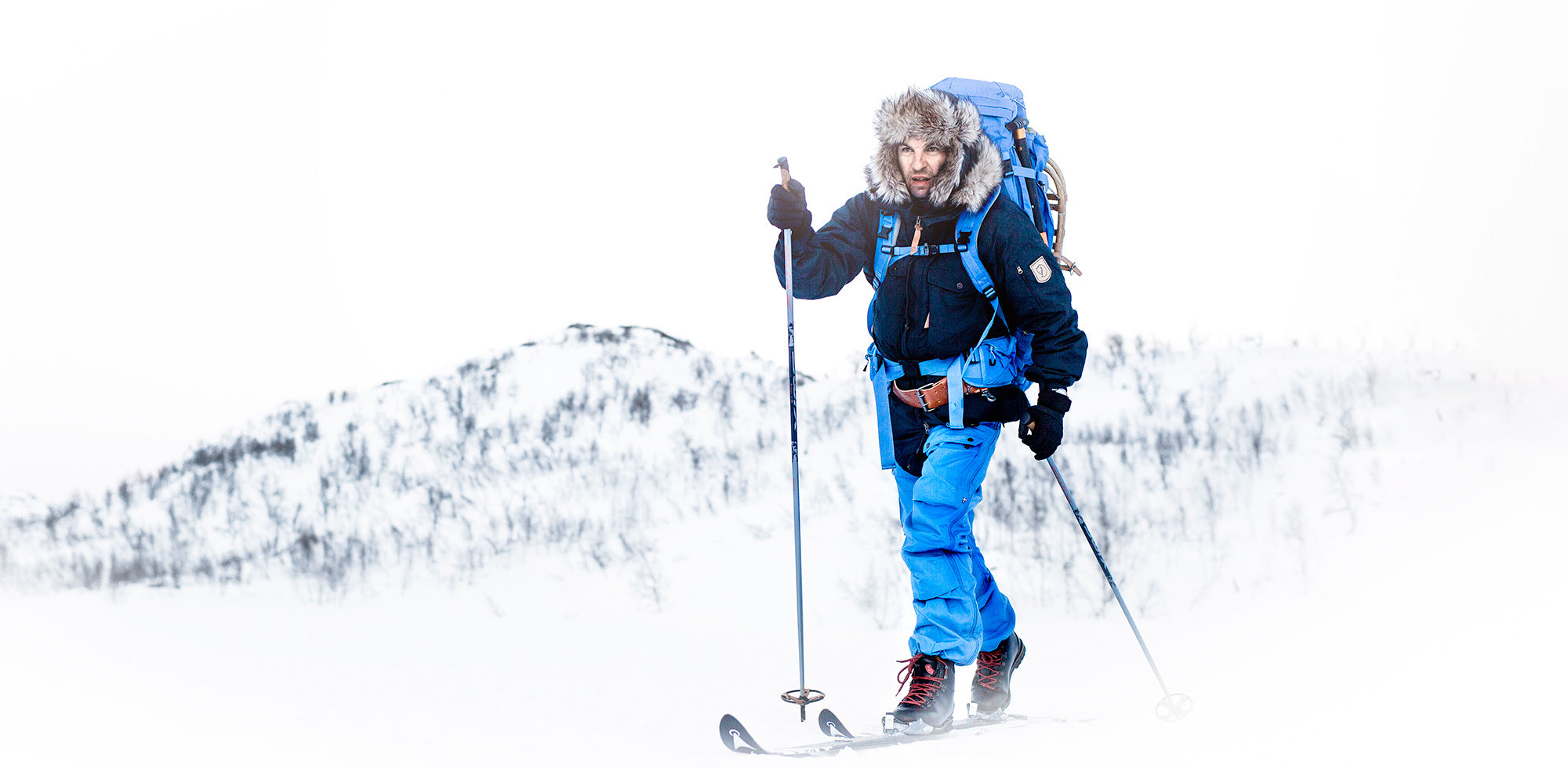
Over a century later, Rune Bruvik, together with photographer Vincent Hansen, set out to Haukeli for the same reason — to immerse themselves in the conditions that had inspired one of Norway’s greatest achievements.
There is no substitute for experience. You don’t truly understand –30°C until it wraps around you. You don’t grasp a white desert until you're standing in it. That night in Haukeli — snow-covered, star-lit, and utterly silent — gave Bruvik exactly what he came for: inspiration.
No, it wasn’t the North Pole. But if it was enough for Nansen, it was enough for a modern watch designer seeking meaning and depth in every detail.
The Bruvik team had modern gear and a warm cabin — luxuries Nansen could never enjoy. Still, walking in his footsteps, if only for one bitterly cold night, left an impression. It deepened their respect for Norway’s explorers. And it brought fresh inspiration back to the Bruvik studio — as the brand continues to celebrate some of the greatest heroes in Norwegian history: the Arctic pioneers.