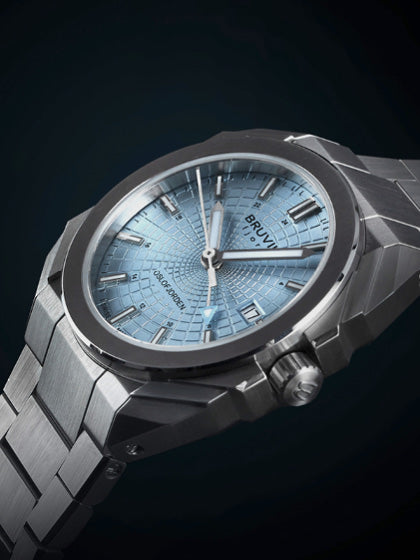
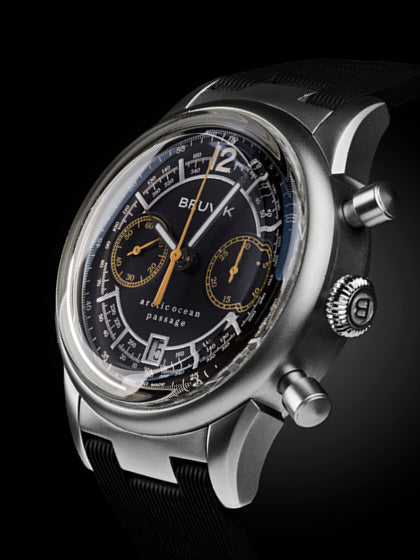
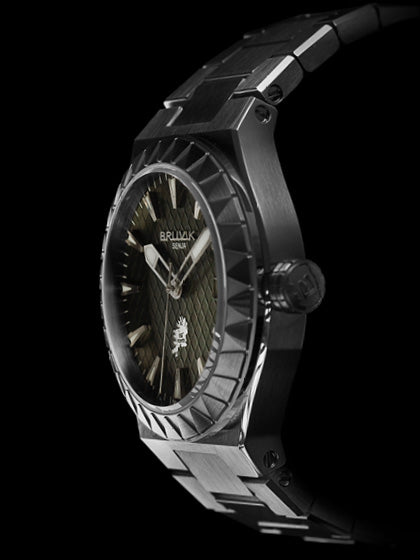
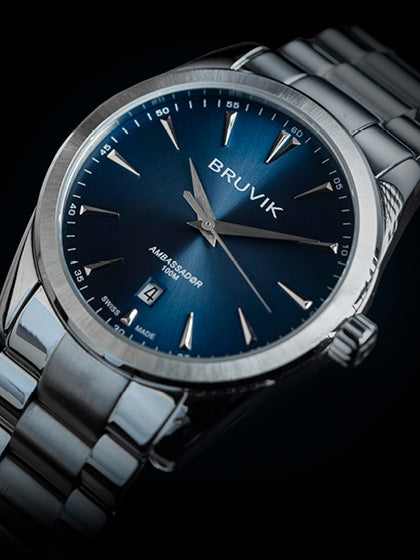
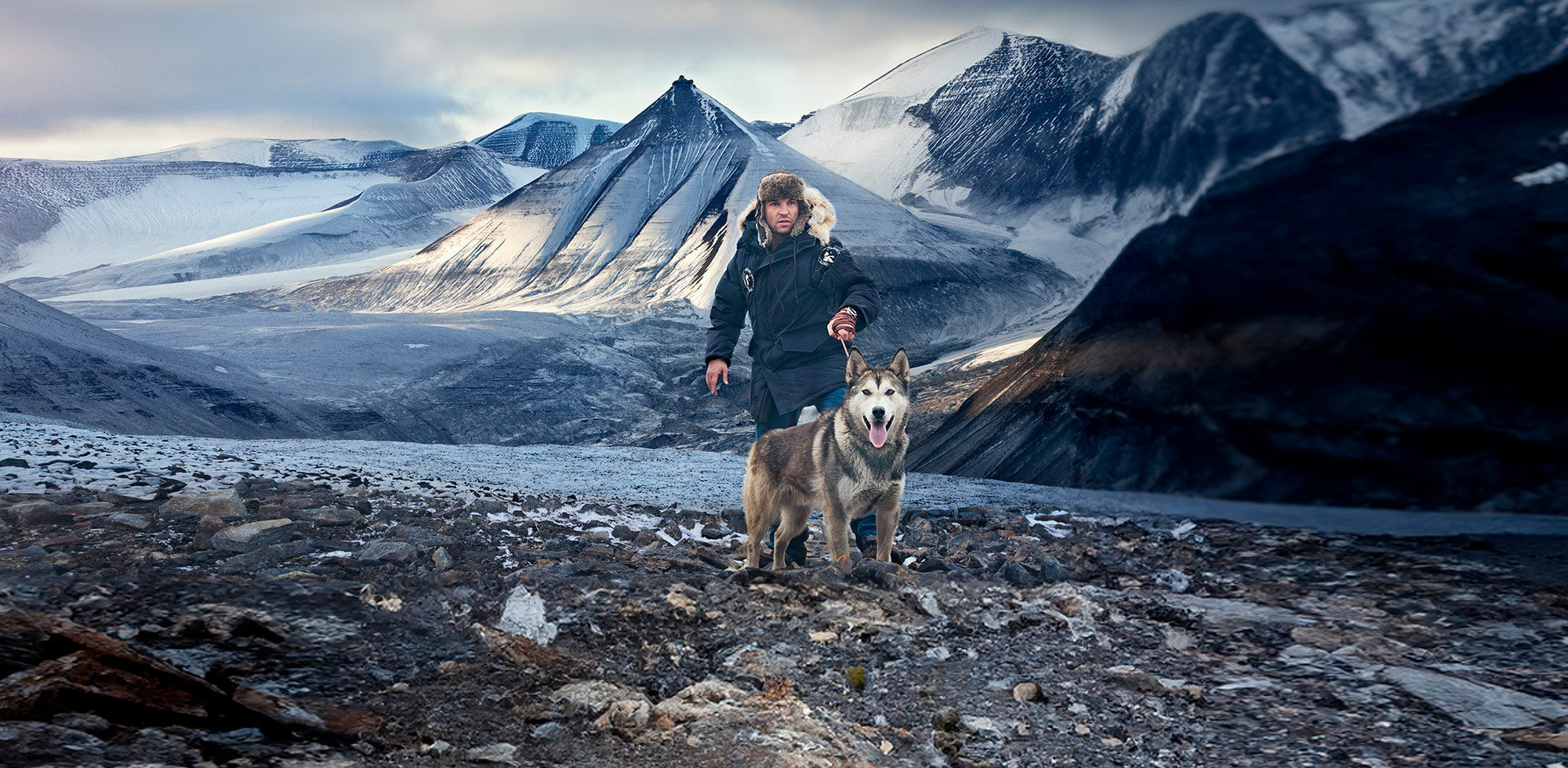
Time and space are inseparable — and nowhere is that more apparent than on the remote Norwegian archipelago of Svalbard.
Aside from a few permanent settlements — the northernmost in the world — Svalbard is a landscape untouched by human hands, sculpted instead by wind, ice, sea, and time itself. It’s wild, vast, and profoundly inhospitable. Yet for those brave enough to head north beneath the northern lights, it offers a kind of beauty unlike anywhere else on Earth.
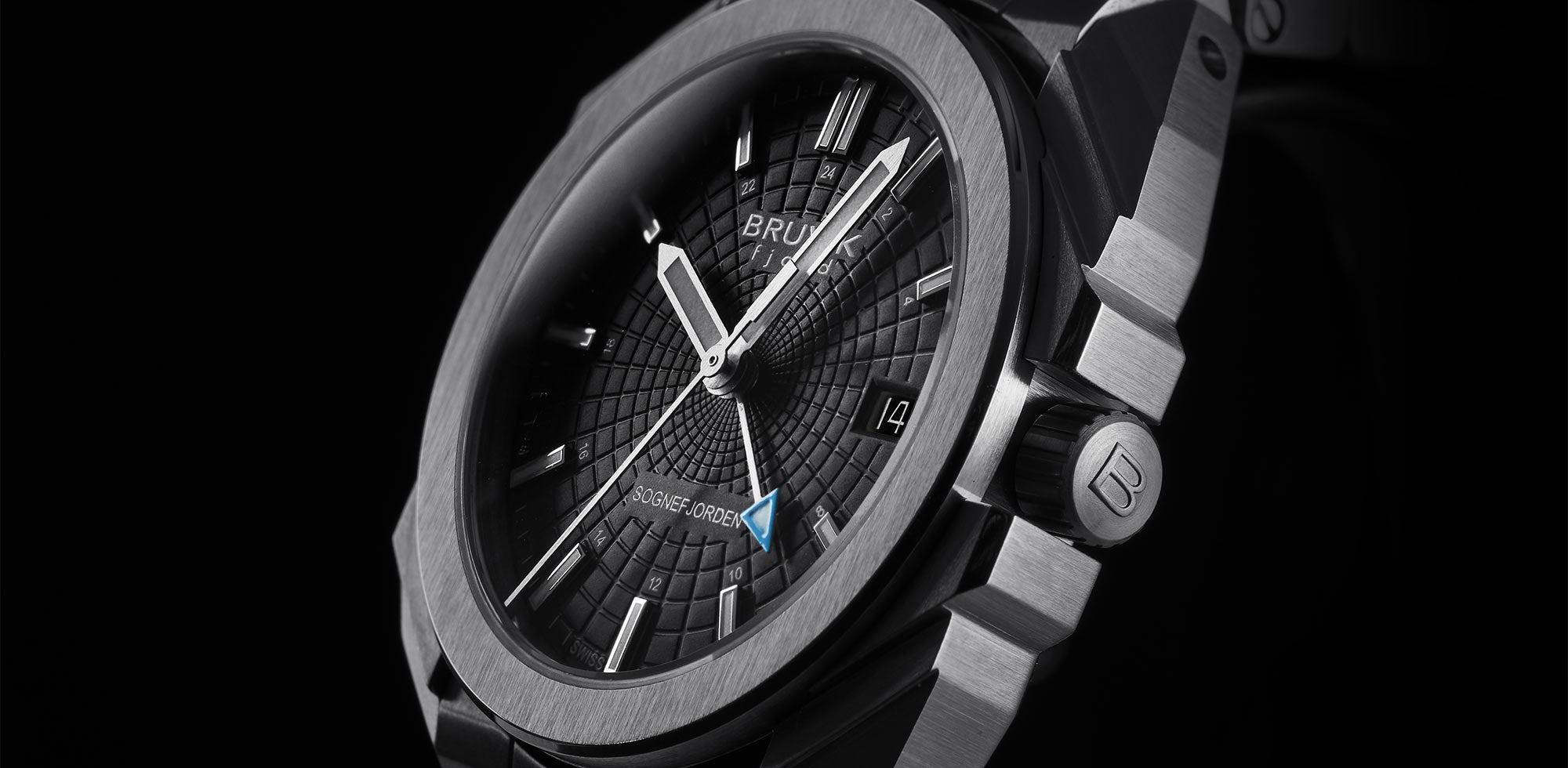
Here, during the long whiteouts of winter, the landscape disappears. All dimensions fade — except the fourth. Time always remains. That’s when your BRUVIK Svalbard timepiece becomes your tether, reminding you — to the millisecond — just how long it’s been since you last looked at your wrist. Then, when the sky clears and a jagged mountain breaks the horizon, you’ll know: it was time well spent.
Coming Home
After first visiting Svalbard, I knew — these islands would one day inspire a Bruvik watch.
Years later, I sat in my office wearing the final prototype of that watch on my wrist. I loved it immediately, but a question lingered: Had I captured the essence of Svalbard’s wild, unpredictable nature? I didn’t yet know.
That answer came in August 2013, when I brought the watch back to Svalbard. The moment I arrived, I knew: the watch was home.
Chasing Light at the Edge of the World
Behind the scenes


Rough, Tough, Empty, and Vast
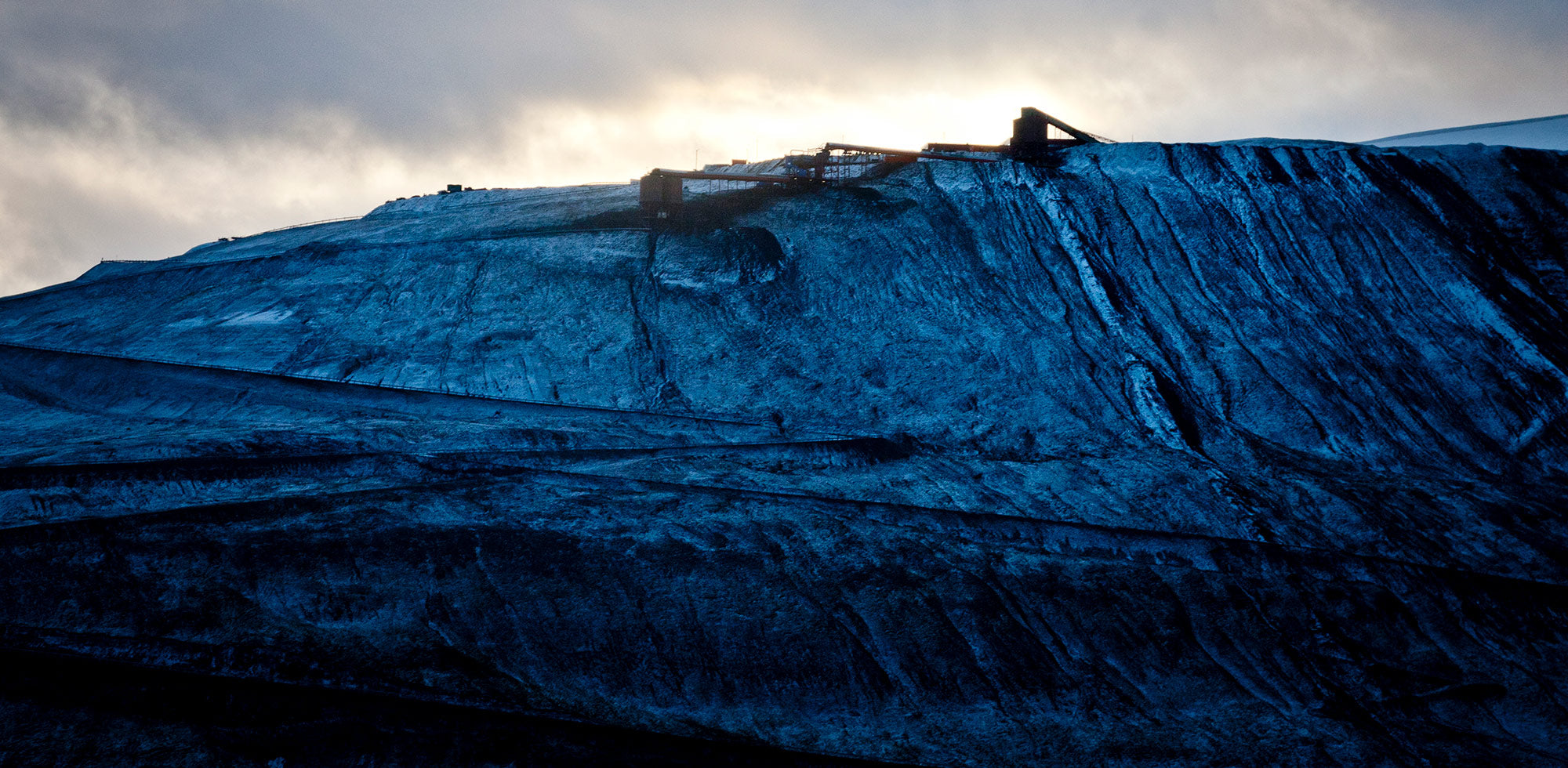
Landing in Svalbard feels like stepping onto the surface of the moon. There’s no landscape like it — not in Norway, not on Earth. The Svalbard mountains are stark and surreal: black volcanic rock at the base, capped by snow and ice so bright it blinds.
How do you capture that contrast in a watch? How do you pay homage to a place ravaged by weather, aged by time? That was the challenge — and the Svalbard design began to form around those very ideas.
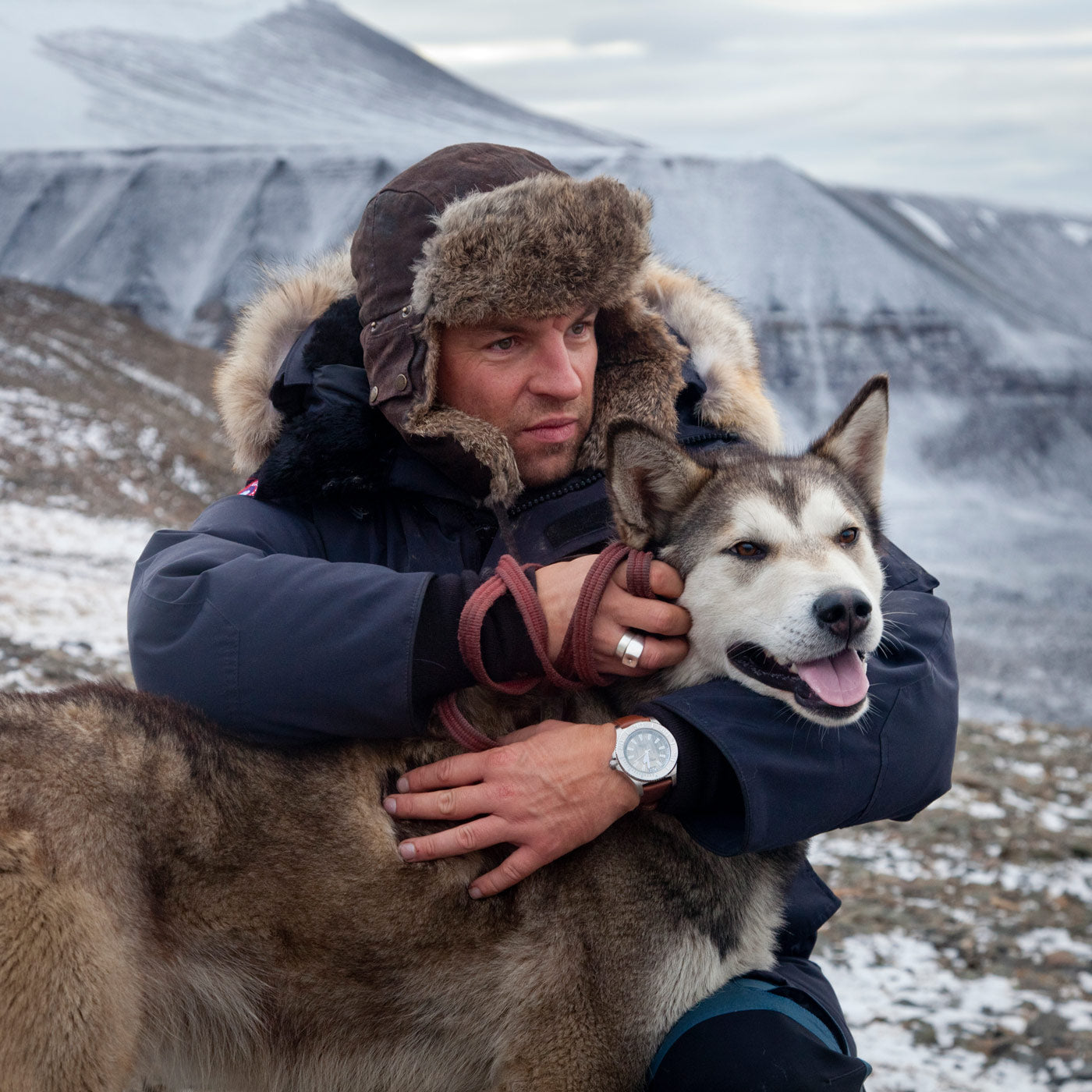
I was relieved, and proud, to see the watch belonged in its namesake setting. What felt right in an urban office felt even better in the Arctic. That’s when I knew we had succeeded.
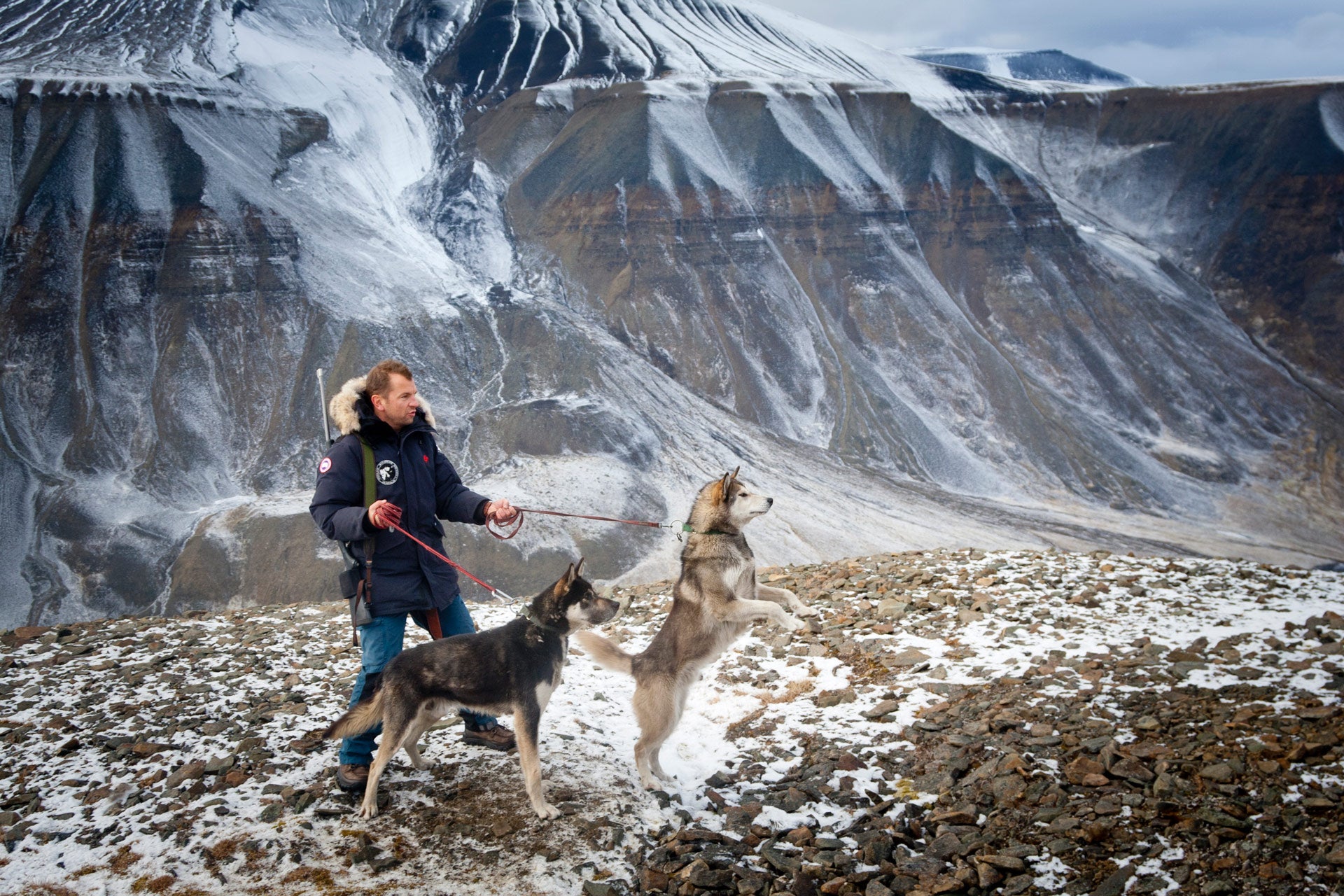
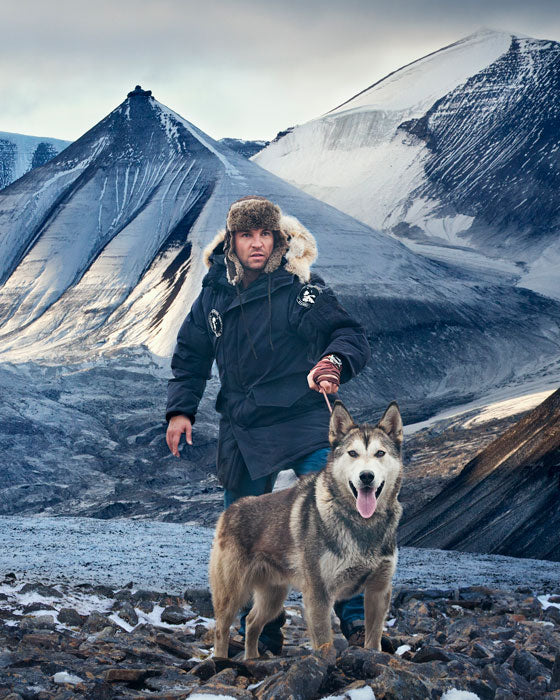
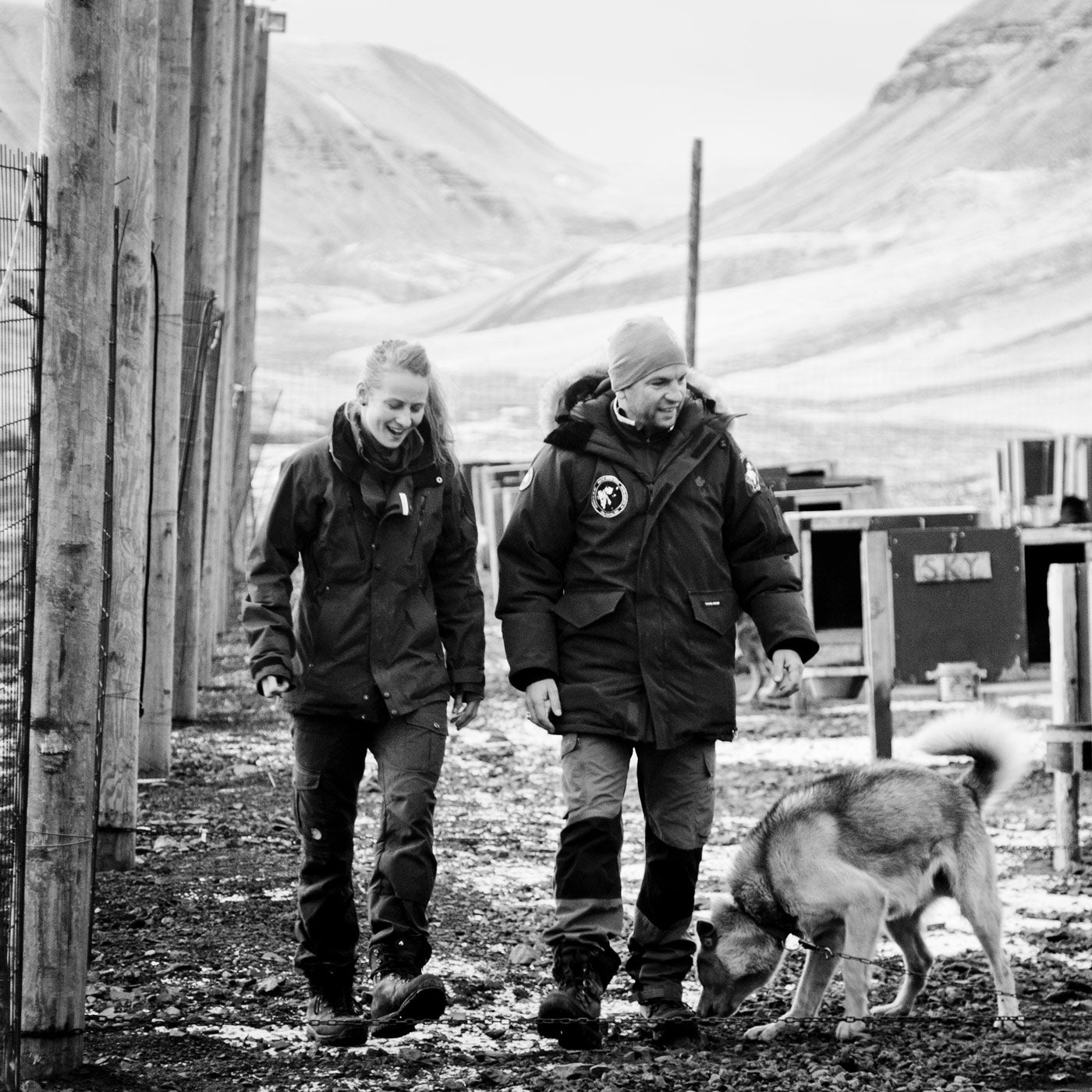
Photographer Hanne Feyling, a Svalbard local, knew the exact spot — and the exact moment — to capture what we needed. Early the next morning, we set off: Two sled dogs (Gruskies — part Greenland dog, part husky), a generator, a rifle for polar bear safety, and three people chasing a vision.
"When we reached the location, a sense of awe swept over us".
Majestic peaks. Clear skies. Not a soul in sight. No signs of civilization. No polar bears, luckily. We shot for three hours, but the memory will last forever. I even made one final adjustment to the watch afterward — the last piece of the puzzle. A secret detail. Small, but essential.
It didn’t just complete the watch — it made it whole.
Svalbard changed me. Walking in the footsteps of early explorers, even just for one cold, starry night, gave me deeper admiration for what they endured — and deeper inspiration for what we could create.
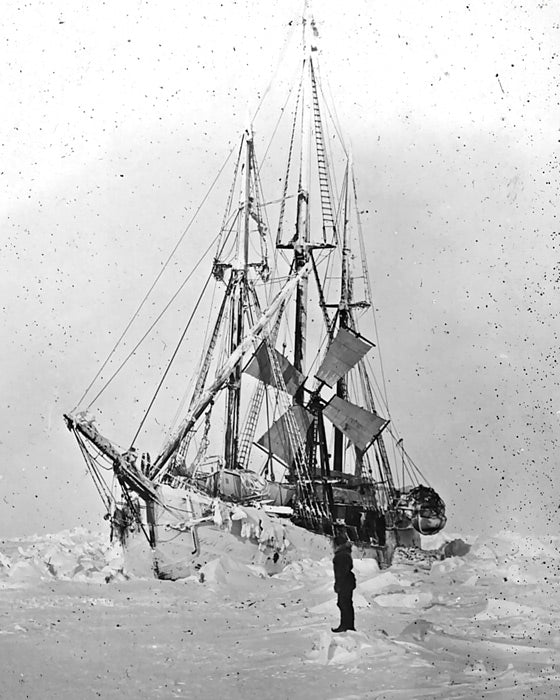
It’s true: I had the comforts of modern gear and a warm cabin. Nansen didn’t. But to feel that cold, that silence, that timelessness — even for one night — was enough to understand why this place mattered.
That’s why BRUVIK Svalbard isn’t just a watch. It’s a tribute. A return. A reminder of the beauty that lies in the harshest places — and the stories that shape us when we’re brave enough to seek them.